
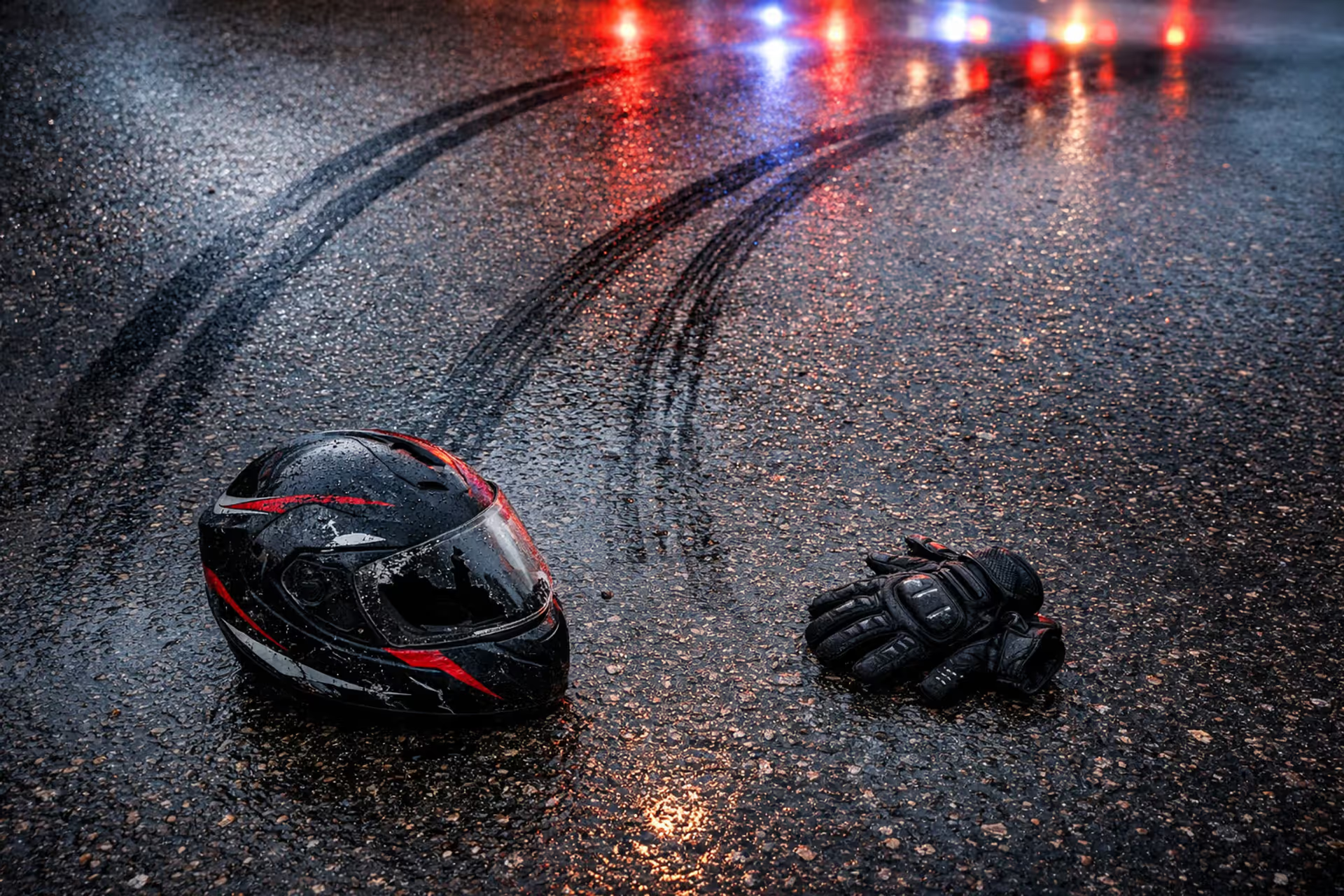
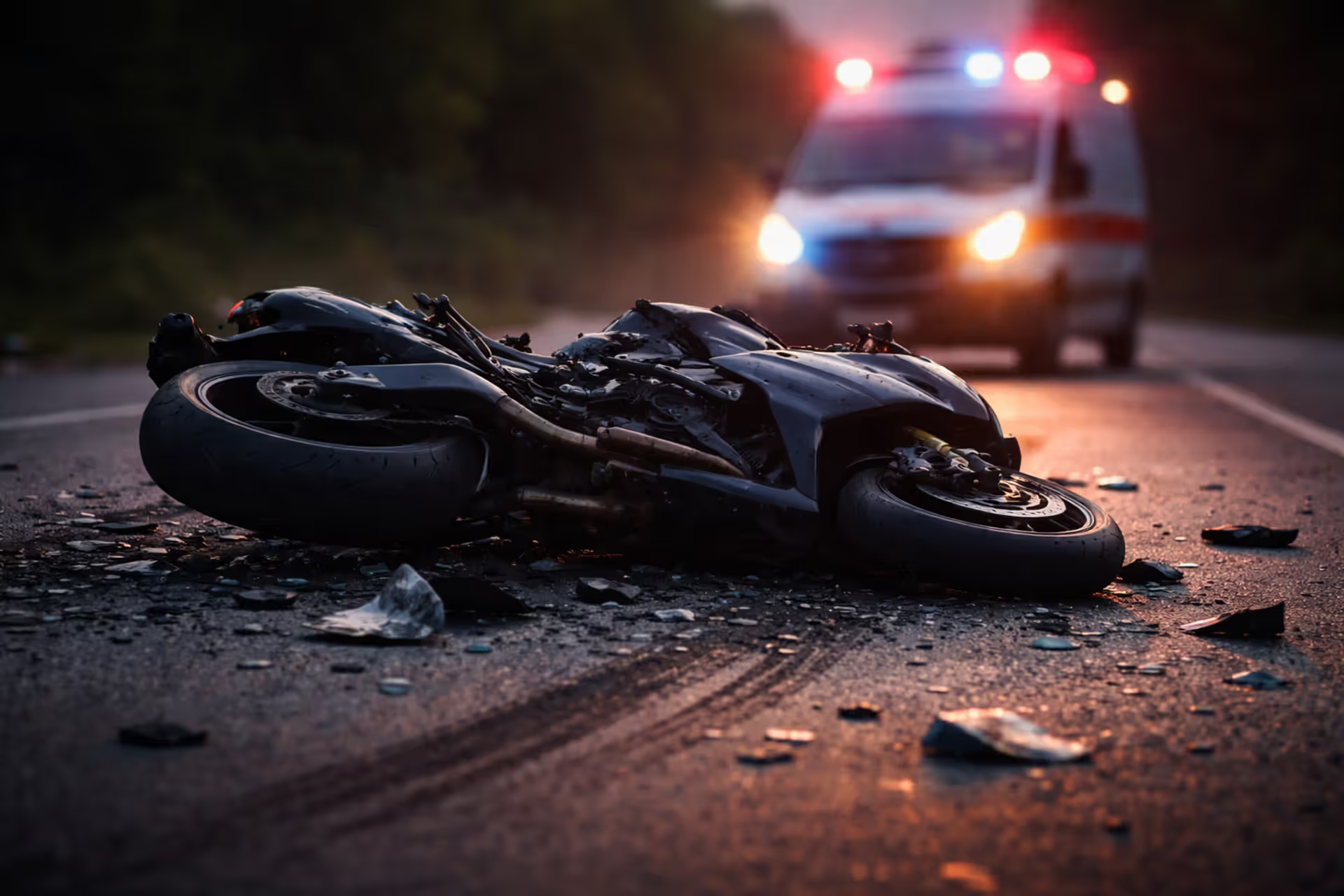
Damaged motorcycle helmet and gloves lying on wet asphalt road with skid marks and blurred emergency lights in background
Motorcycle Accident Broken Bones – Types, Treatment, Recovery for Riders

Bone fractures represent some of the most common and severe injuries sustained in motorcycle crashes. Unlike car occupants protected by airbags and steel frames, motorcyclists absorb impact forces directly through their bodies. When a 400-pound motorcycle collides with another vehicle at highway speeds, the rider's skeletal system bears the brunt of deceleration forces that can exceed several thousand pounds per square inch.
The difference between a minor fracture and a life-altering injury often depends on impact location, protective gear worn, and how quickly medical intervention begins. Understanding which bones break most frequently, how doctors treat these injuries, and what recovery actually looks like helps accident victims make informed decisions during a chaotic and painful time.
Common Bone Fractures in Motorcycle Crashes
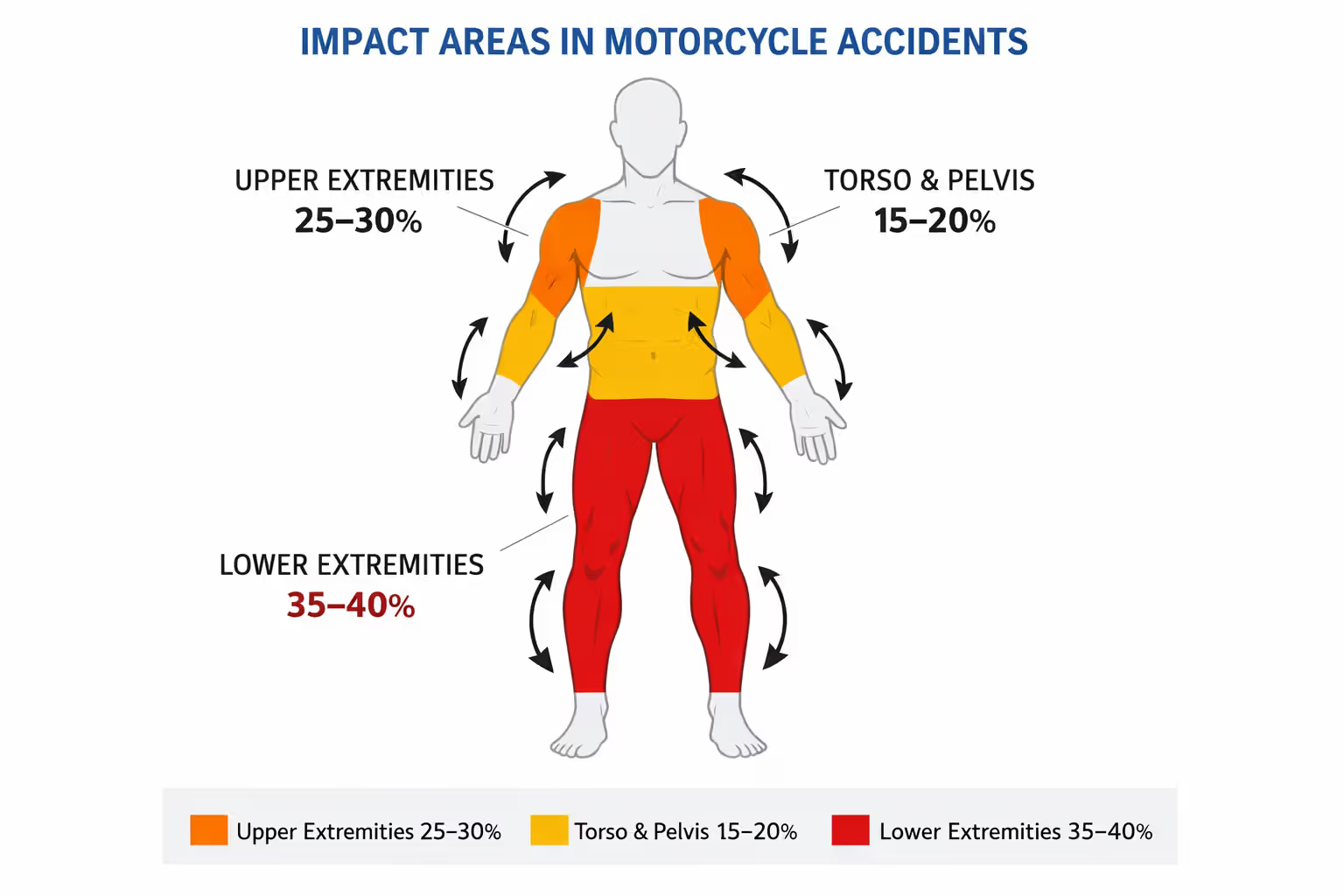
Motorcycle accidents produce distinctive fracture patterns that emergency room physicians recognize immediately. The lower extremities account for roughly 35-40% of all motorcycle-related fractures, followed by upper extremities at 25-30%, and the torso and pelvis at 15-20%. These statistics reflect the typical crash dynamics: legs strike the handlebars or pavement first, arms instinctively extend to break falls, and the torso absorbs side-impact forces.
The femur (thighbone) breaks frequently in high-speed collisions when the rider's leg gets trapped between the motorcycle and another object. These fractures often occur in the mid-shaft region and can be catastrophic—the femur is the body's strongest bone, so breaking it requires tremendous force. Tibial fractures happen when the lower leg twists violently during a crash or takes direct impact from a vehicle bumper.
Clavicle (collarbone) fractures are almost signature injuries for motorcyclists. When riders instinctively extend their arms during a fall, the impact force travels up the arm and concentrates at the collarbone, which acts as a structural weak point. Approximately 15% of all motorcycle accident fractures involve the clavicle.
Pelvic fractures represent the most dangerous category. The pelvis houses major blood vessels, and fractures here can cause life-threatening internal bleeding. These typically occur in T-bone collisions where a vehicle strikes the motorcycle from the side, or when the rider is thrown and lands directly on their hip.
Rib fractures happen in nearly every significant motorcycle crash. While individually less serious than long bone fractures, multiple rib breaks can puncture lungs, lacerate the liver or spleen, and make breathing excruciating. Riders often don't realize they've broken ribs until hours after the accident when adrenaline wears off.
Wrist and ankle fractures occur when riders try to catch themselves during a fall or when their feet remain trapped on footpegs during a slide. The small bones in these joints can shatter into multiple fragments, requiring complex reconstructive surgery.
Impact Zones: Where Riders Sustain the Most Damage
Crash studies reveal three primary impact zones that determine fracture patterns. The first impact usually occurs when the rider separates from the motorcycle—their legs strike the handlebars, tank, or ground. The second impact happens when the body hits the road surface or another vehicle. The third impact, often overlooked, occurs when the motorcycle itself strikes the fallen rider.
Head-on collisions typically produce bilateral leg fractures (both legs broken) as the rider's knees strike the handlebars before being thrown forward. Side-impact crashes create asymmetric injuries—the side facing the impact sustains most of the damage, often including pelvic, hip, and rib fractures on that side only.
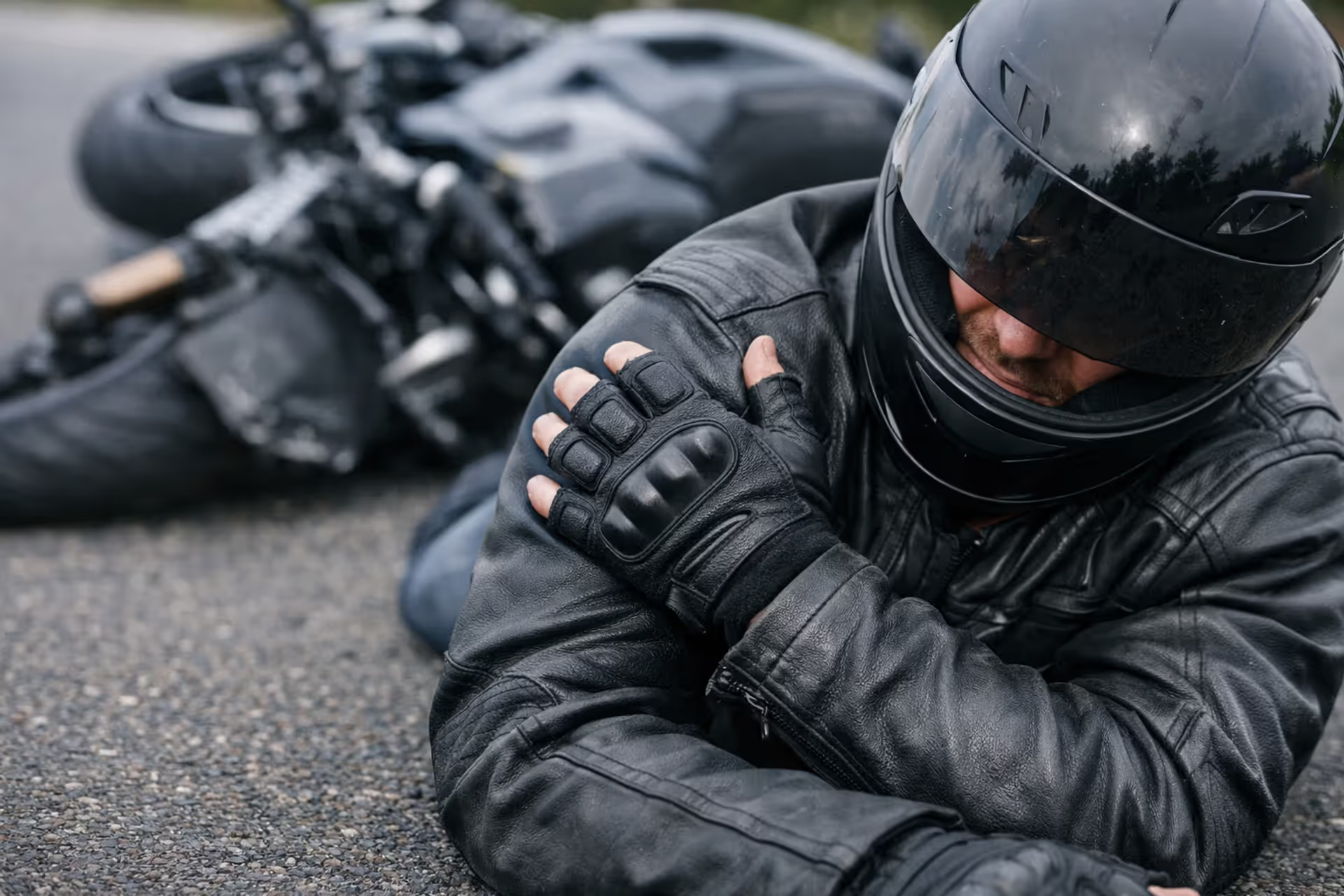
Low-side crashes, where the motorcycle slides out from under the rider, tend to cause wrist, shoulder, and clavicle fractures as the rider slides across pavement. High-side crashes, where the motorcycle suddenly regains traction and catapults the rider over the handlebars, produce the most severe injuries including spinal fractures, femur breaks, and complex pelvic fractures.
Author: Hannah Pierce;
Source: spy-delhi.com
Open vs. Closed Fractures in Motorcycle Accidents
Closed fractures keep the broken bone beneath intact skin. The bone may be cracked, completely broken, or shattered into pieces, but no external wound exposes it. These fractures still require immediate medical attention but carry lower infection risk.
Open fractures—also called compound fractures—occur when bone fragments pierce through the skin or when road debris drives into the fracture site. These represent surgical emergencies. Asphalt, dirt, fabric from clothing, and bacteria contaminate the wound within seconds. Without aggressive surgical cleaning and antibiotic treatment within 6-8 hours, infection rates skyrocket above 40%.
Motorcycle accidents produce open fractures at higher rates than other vehicle crashes because riders lack protective barriers. A car occupant might sustain a closed femur fracture, while a motorcyclist in an identical collision suffers an open fracture because their leg directly impacts the pavement at speed. This distinction dramatically affects treatment complexity, recovery time, and complication rates.
Immediate Steps After Sustaining a Bone Injury in a Motorcycle Accident
The first 30 minutes after a motorcycle crash determine long-term outcomes for fracture patients. Call 911 immediately if the rider cannot stand, has visible deformities in limbs, experiences severe pain, or shows signs of shock (pale skin, rapid breathing, confusion). Don't attempt to move someone with suspected fractures unless they're in immediate danger from traffic or fire.
Never try to straighten bent limbs or push protruding bones back under the skin. These well-intentioned actions can sever blood vessels, damage nerves, and introduce infection. If bone is visible, cover the wound loosely with the cleanest cloth available without applying pressure directly to the bone.
Immobilization prevents additional damage. If you must move the injured rider, support the broken limb above and below the fracture site. A broken femur can shift and lacerate the femoral artery, causing death from blood loss within minutes. Pelvic fractures require special handling—use a sheet or belt wrapped around the pelvis to compress it slightly, reducing internal bleeding until paramedics arrive.
Document everything while waiting for emergency responders. Take photos of the accident scene, vehicle positions, road conditions, and visible injuries. These images become crucial evidence for insurance claims and legal proceedings. Note the time of the accident, weather conditions, and any statements from witnesses or other drivers.
Remove jewelry from injured limbs immediately if you can do so without moving the fracture. Swelling begins within minutes, and rings or bracelets can cut off circulation, potentially necessitating finger amputation later. This simple step that takes five seconds at the scene prevents devastating complications.
Author: Hannah Pierce;
Source: spy-delhi.com
Medical Diagnosis and Treatment Options for Motorcycle Crash Fractures
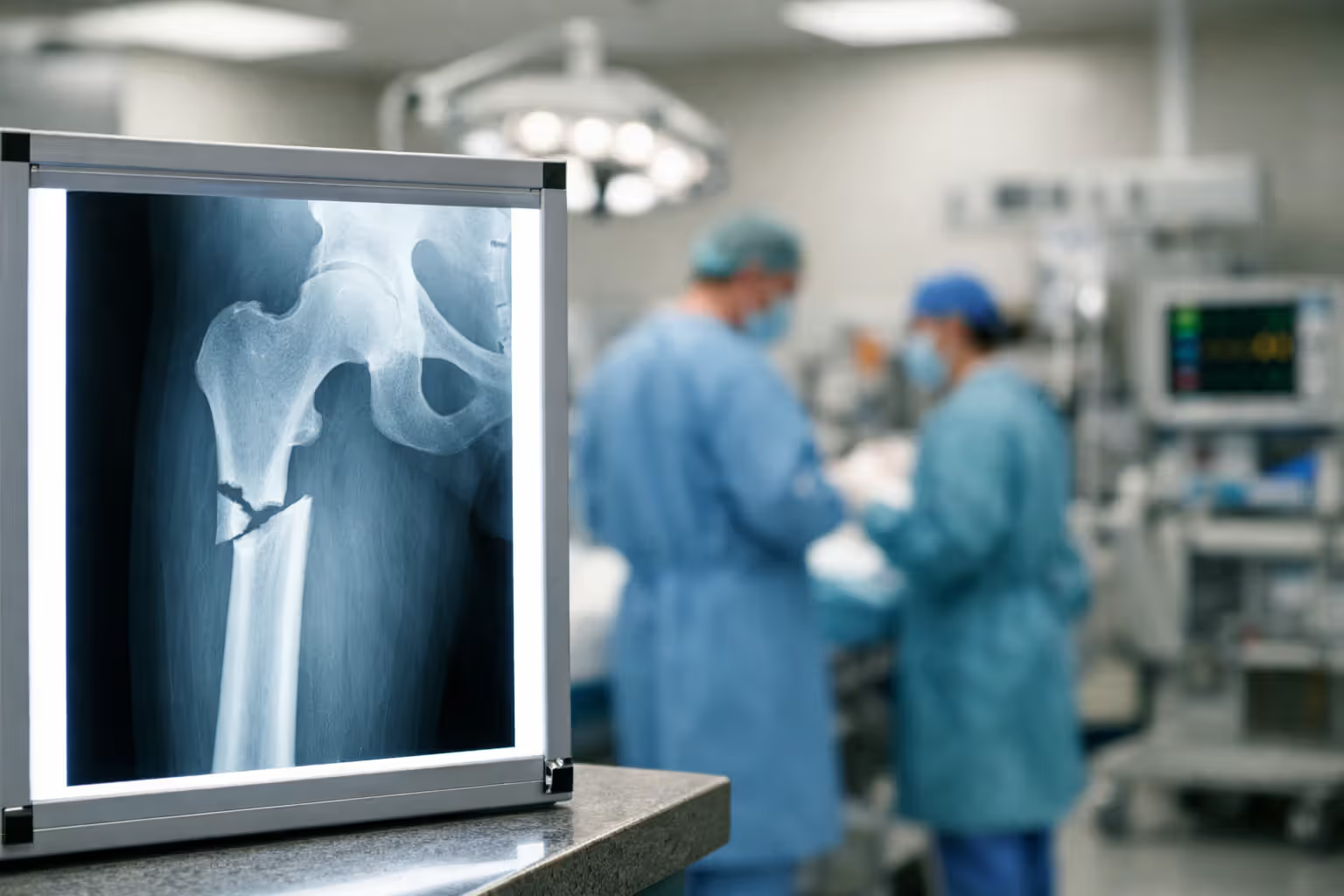
Emergency departments follow standardized trauma protocols for motorcycle accident victims. After stabilizing vital signs and addressing life-threatening injuries, physicians image suspected fractures. Standard X-rays capture most fractures, but complex breaks require CT scans that create three-dimensional bone reconstructions. MRIs help assess soft tissue damage around fractures—torn ligaments, damaged cartilage, and nerve injuries that don't show on X-rays.
Non-surgical treatment works for stable, well-aligned fractures. Doctors apply casts or splints that immobilize the bone while it heals. Rib fractures rarely receive any immobilization beyond pain management and breathing exercises. Clavicle fractures often heal with just a sling, though this approach requires 8-12 weeks and leaves a visible bump where the bone mends.
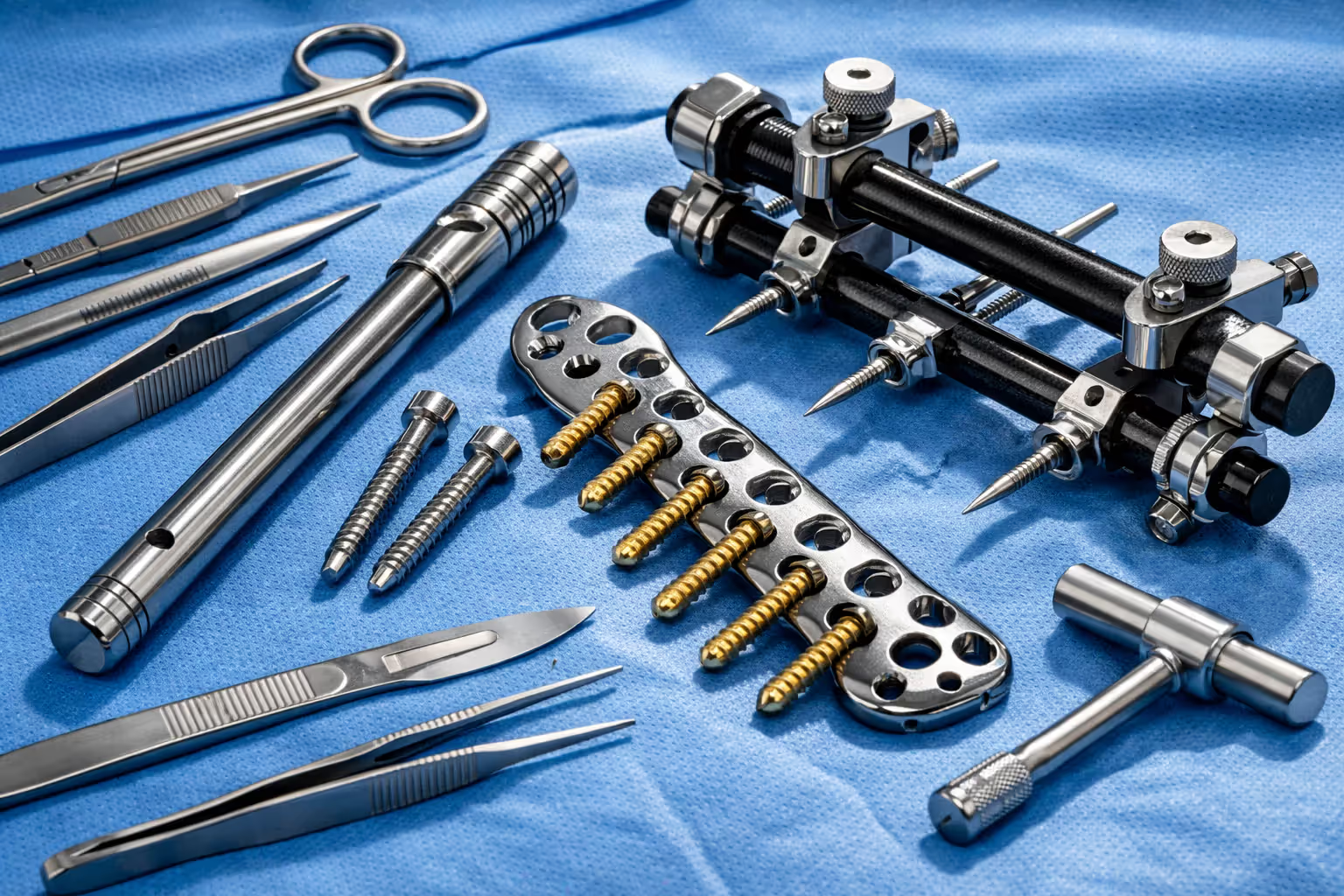
Surgical treatment becomes necessary when fractures won't heal properly on their own. Doctors use various hardware depending on fracture location and severity. Intramedullary rods—metal rods inserted into the bone's hollow center—stabilize femur and tibia fractures. Plates and screws hold bone fragments in precise alignment for complex breaks. External fixators, metal frames attached to bone through the skin, stabilize severe open fractures temporarily until soft tissue heals enough for definitive surgery.
The bone damage from motorcycle accidents often requires staged treatment. Surgeons perform emergency surgery to clean wounds and temporarily stabilize fractures, then wait 5-10 days for swelling to decrease before definitive reconstruction. This approach reduces complication rates but means multiple surgeries and extended hospital stays.
When Surgery Becomes Necessary
Several factors make surgery unavoidable. Displaced fractures, where bone ends no longer line up, won't heal correctly without surgical realignment. A femur that heals with even one centimeter of shortening creates permanent limping and back problems. Intra-articular fractures, which extend into joint surfaces, require perfect reconstruction to prevent arthritis.
Multiple fractures in the same bone create instability that casts cannot control. A tibia broken in three places needs internal fixation to maintain length and alignment. Open fractures always require surgery to thoroughly clean the wound—irrigation with several liters of sterile fluid and removal of all contaminated tissue.
Vascular injuries accompanying fractures demand immediate surgery. If a broken bone severs or compresses an artery, surgeons must restore blood flow within 6-8 hours to save the limb. Nerve damage may also require surgical exploration and repair, though this sometimes happens months after the initial injury once doctors determine the nerve won't recover spontaneously.
Author: Hannah Pierce;
Source: spy-delhi.com
Recovery Timeline: What to Expect After Breaking Bones in a Motorcycle Accident
Bone healing progresses through three overlapping phases. The inflammatory phase lasts 1-2 weeks as blood clots form at the fracture site and immune cells clear debris. The reparative phase spans 6-12 weeks while the body deposits soft callus (cartilage and fibrous tissue) that gradually mineralizes into hard bone. The remodeling phase continues 3-12 months as the bone reshapes itself to handle stress efficiently.
Pain peaks during the first week, gradually improving but often persisting at moderate levels for 6-8 weeks. Doctors prescribe opioids initially, transitioning to non-narcotic pain relievers as healing progresses. Many patients underestimate how exhausting fracture recovery feels—the body diverts enormous energy to healing, causing persistent fatigue for months.
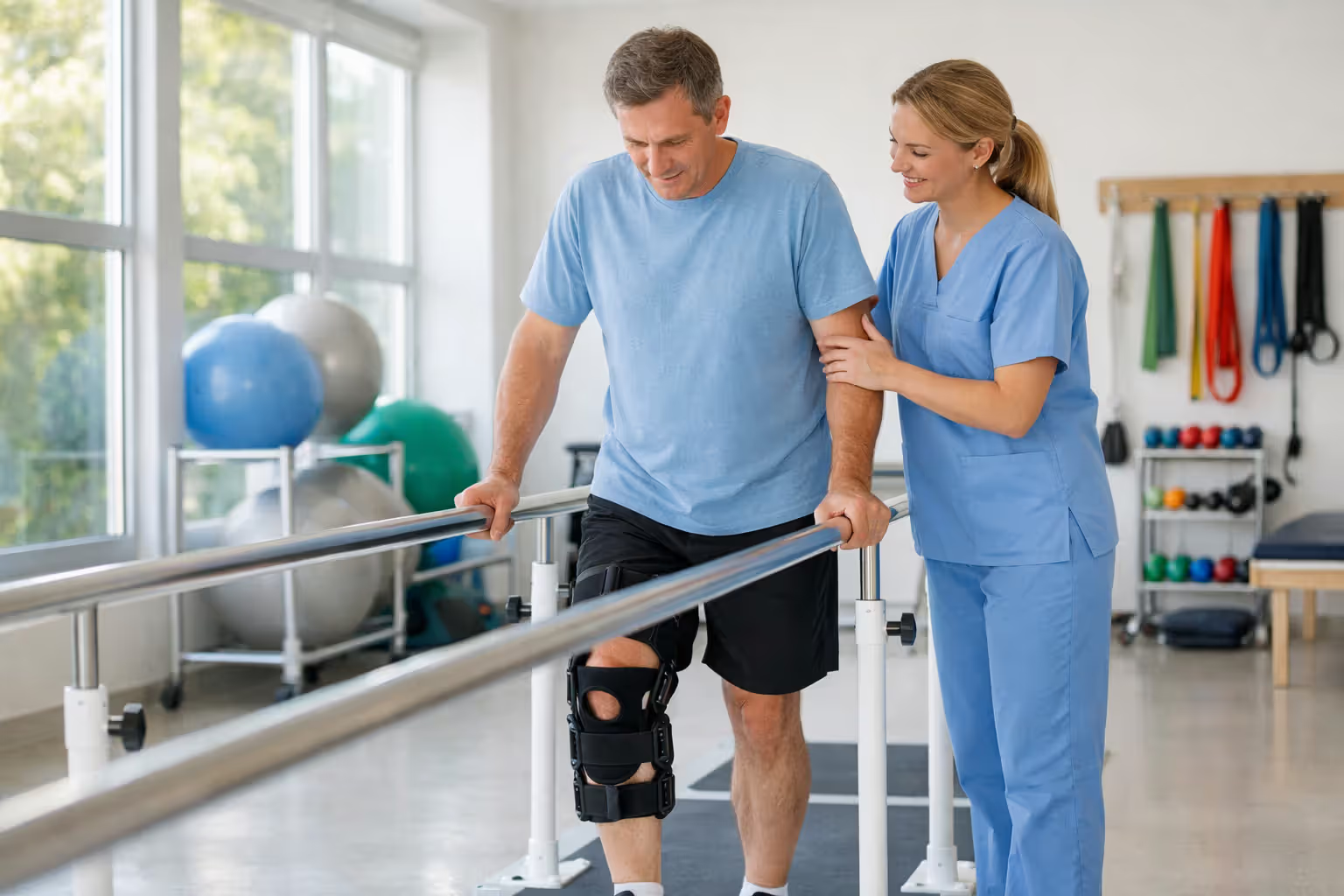
Physical therapy typically begins once the bone shows early healing on X-rays, usually 4-6 weeks post-injury. Therapists focus first on maintaining joint mobility above and below the fracture, then gradually add strengthening exercises. Patients who skip physical therapy often develop permanent stiffness and weakness.
Complications can derail recovery. Non-union occurs when bones fail to heal even after 6-9 months, requiring additional surgery with bone grafting. Malunion happens when bones heal in poor alignment, causing chronic pain and dysfunction. Infection rates for open fractures range from 10-40% depending on contamination severity and treatment timing. Hardware can break, shift, or irritate surrounding tissue, necessitating removal surgery.
| Bone Type | Healing Time | Typical Treatment | Mobility Restrictions | Physical Therapy Duration |
| Clavicle (Collarbone) | 6-12 weeks | Sling immobilization or surgical plating | No lifting over 5 lbs for 6 weeks; no overhead reaching | 4-8 weeks |
| Femur (Thighbone) | 3-6 months | Intramedullary rod surgery | Non-weight bearing 6-12 weeks; crutches/walker required | 3-6 months |
| Tibia (Shinbone) | 3-6 months | Casting or intramedullary rod | Non-weight bearing 8-12 weeks; high risk of complications | 3-6 months |
| Pelvis | 8-12 weeks | Bed rest for stable fractures; surgical fixation for unstable | Strict bed rest 4-6 weeks; gradual weight bearing | 3-4 months |
| Wrist | 6-8 weeks | Casting or surgical plating | No gripping or lifting; complete immobilization | 4-6 weeks |
| Ribs | 6-8 weeks | Pain management only; no immobilization | Deep breathing exercises; avoid heavy lifting | Usually not required |
Age dramatically affects recovery speed. A 25-year-old with a femur fracture might return to normal activities in 4-5 months, while a 65-year-old with the identical injury may require 9-12 months and never fully regain previous strength. Smoking delays bone healing by 30-40% by reducing blood flow to the fracture site. Diabetes, poor nutrition, and certain medications also slow recovery.
Motorcycle crash fractures represent some of the most challenging injuries we treat.The combination of high-energy impact, soft tissue damage, and often multiple fractures means these patients face longer recoveries and higher complication rates than fractures from simple falls. However, with modern surgical techniques and aggressive rehabilitation, most riders can expect good functional outcomes, though returning to pre-accident activity levels may take a full year or longer
— Dr. Michael Richardson
Long-Term Complications and Permanent Damage from Motorcycle Fractures
Some motorcycle fracture patients never fully recover. Post-traumatic arthritis develops in 20-40% of intra-articular fractures (breaks extending into joint surfaces). The damaged cartilage wears unevenly, causing progressive pain and stiffness that may require joint replacement surgery 10-20 years after the original injury.
Chronic pain affects roughly 30% of severe fracture patients. The pain may originate from hardware irritation, nerve damage, or altered biomechanics where healed bones change how joints move. Some patients develop complex regional pain syndrome, a poorly understood condition causing severe burning pain, swelling, and skin changes that persist years after the fracture heals.
Limited mobility becomes permanent when fractures heal with shortening, rotation, or angulation. A femur that heals one inch short creates lifelong limping and back pain from compensatory gait changes. Ankle fractures that heal with even slight malalignment cause progressive arthritis and instability.
Hardware complications emerge months or years after surgery. Screws can back out, plates can break, and rods can migrate. Some patients develop metal sensitivity reactions causing pain and swelling around implants. Routine hardware removal requires additional surgery, anesthesia risks, and recovery time.
Psychological impacts often surprise patients. Depression affects 40-50% of severe trauma victims during recovery. The sudden loss of independence, chronic pain, financial stress, and fear of permanent disability create mental health challenges that require professional treatment. Many riders develop anxiety about returning to motorcycling or even riding as passengers in vehicles.
Disability determinations depend on residual impairment after maximum medical improvement—the point where further healing is unlikely. Permanent restrictions might include weight-lifting limits, inability to stand for extended periods, or loss of fine motor control in hands. These limitations can end careers and force lifestyle changes.
Author: Hannah Pierce;
Source: spy-delhi.com
Financial and Legal Considerations for Bone Damage from Motorcycle Accidents
Motorcycle accident fracture treatment costs escalate quickly. A simple closed fracture treated with casting might cost $5,000-$15,000. Complex fractures requiring surgery, hospital stays, and hardware easily reach $50,000-$150,000. Multiple fractures, complications, or extended rehabilitation can exceed $500,000. These figures don't include lost wages, which often match or exceed medical costs for working-age patients.
Insurance coverage varies dramatically. Personal injury protection (PIP) or medical payments coverage provides immediate funds for medical treatment regardless of fault, but many motorcyclists lack this coverage. Health insurance covers treatment but may seek reimbursement from settlements. The at-fault driver's liability insurance should cover all damages, but policy limits often fall short of actual costs.
Compensation for motorcycle accident broken bones includes economic damages (medical bills, lost wages, future treatment costs) and non-economic damages (pain and suffering, loss of enjoyment of life, permanent impairment). Fracture victims typically receive settlements ranging from $50,000 for simple breaks to over $1 million for severe injuries with permanent disability.
Statute of limitations restricts how long victims can file lawsuits. Most states allow 2-3 years from the accident date, though some circumstances toll (pause) this deadline. Waiting too long eliminates legal options regardless of injury severity or fault clarity.
Contacting an attorney makes sense when fractures require surgery, cause permanent impairment, or result from clear negligence. Insurance companies employ adjusters trained to minimize payouts. They'll offer quick settlements before victims understand the full extent of their injuries and future needs. Attorneys experienced in motorcycle accidents understand fracture complications and can accurately value claims.
Proving negligence requires showing the other party breached a duty of care and caused the accident. Common scenarios include drivers turning left across the motorcycle's path, following too closely, changing lanes without checking blind spots, or driving distracted. Police reports, witness statements, and accident reconstruction help establish fault.
How Fracture Severity Affects Settlement Value
Simple closed fractures that heal completely without complications typically settle for $30,000-$80,000 depending on medical costs and lost wages. These cases involve straightforward treatment, predictable recovery, and minimal permanent impairment.
Complex fractures requiring surgery with hardware implantation generally settle for $100,000-$300,000. These cases involve higher medical costs, longer recovery periods, and potential for future hardware removal or complications.
Severe fractures with permanent impairment—significant scarring, chronic pain, limited mobility, or disability—often settle for $500,000-$2 million or more. These cases require expert testimony about future medical needs, lost earning capacity, and life care planning.
Multiple fractures exponentially increase settlement value because they demonstrate severe impact forces, require complex treatment, and often cause permanent limitations. A motorcyclist with femur, pelvis, and multiple rib fractures might receive $1-3 million depending on long-term outcomes.
Frequently Asked Questions About Motorcycle Accident Broken Bones
Moving Forward After Motorcycle Fracture Injuries
Breaking bones in a motorcycle accident changes lives in ways that extend far beyond the initial pain and medical treatment. The recovery process tests physical resilience, mental strength, and financial stability. Understanding what to expect—the long healing timelines, potential complications, and permanent changes—helps accident victims make informed decisions and set realistic expectations.
Medical science has advanced dramatically in treating motorcycle fractures. Surgical techniques that didn't exist twenty years ago now allow doctors to reconstruct bones that previously would have resulted in amputation or permanent disability. Hardware technology continues improving, with newer implants causing fewer complications and sometimes eliminating the need for removal surgery.
The path forward requires patience, diligent adherence to medical advice, and recognition that recovery isn't linear. Some days will feel like major progress, others like setbacks. Physical therapy sessions will be uncomfortable, sometimes painful, but skipping them almost guarantees worse long-term outcomes. Mental health support shouldn't be overlooked—asking for help with depression or anxiety demonstrates strength, not weakness.
Legal and financial considerations demand attention even while focusing on healing. Document everything, keep all medical records, and consult with experienced attorneys before accepting insurance settlements. The compensation you receive must cover not just current expenses but future needs you may not yet recognize.
Most motorcycle fracture patients eventually return to active, fulfilling lives. The timeline stretches longer than anyone wants, and some permanent changes may persist, but the human body's capacity for healing remains remarkable. With proper treatment, dedicated rehabilitation, and adequate support, riders can overcome even severe bone injuries and move forward, whether that means returning to motorcycling or discovering new passions.
Related Stories
Read more
Read more



The content on this website is provided for general informational and educational purposes only. It is intended to offer insights and guidance on motorcycle accident insurance claims, settlement processes, liability issues, coverage limits, medical compensation, and related insurance matters, and should not be considered legal or financial advice.
All information, articles, and materials presented on this website are for general informational purposes only. Insurance policies, liability standards, settlement practices, and state regulations may vary by jurisdiction and insurer. The outcome of a motorcycle accident claim depends on the specific facts of the accident, available evidence, policy language, and applicable law.
This website is not responsible for any errors or omissions in the content, or for actions taken based on the information provided. Users are strongly encouraged to consult with a qualified attorney or licensed insurance professional regarding their specific motorcycle accident claim before making decisions about settlements, negotiations, or coverage disputes.