

Insurance adjuster inspecting a motorcycle accident scene at a city intersection with a fallen motorcycle and damaged car on the road
What Happens During a Motorcycle Accident Claim Investigation

Filing a motorcycle accident claim starts a process most riders don't anticipate. Your insurer won't cut you a check after a quick phone call. Instead, they'll launch an investigation—one that might last days, weeks, or even months depending on what they find.
Motorcycle claims get extra attention for good reason. Riders typically suffer more severe injuries than car occupants, and the physics of two-wheeled crashes create unique liability questions. Your own insurance company will investigate your claim carefully, and the other driver's insurer will scrutinize it even harder. They're all trying to answer three questions: What actually happened? Who's legally responsible? What's the real financial impact?
How Insurance Companies Investigate Motorcycle Accident Claims
Your claim enters the investigation pipeline the minute you make that first phone call. How deep they dig depends on several factors: Is fault obvious or murky? Did anyone suffer major injuries? Does your story hold up under scrutiny?
Initial Claim Review and Assignment
Most insurers assign someone to your case within a day or two of your report. Simple fender-benders with straightforward liability usually go to adjusters juggling 60-70 files simultaneously. These professionals know how to move routine claims quickly.
More complex situations get different treatment. Catastrophic injuries, fatalities, or accidents where everyone blames everyone else land on the desks of senior adjusters who've seen hundreds of similar cases. These specialists know which questions to ask and which answers should raise concerns.
Your assigned adjuster starts gathering basics right away. They'll want police report details, everyone's contact information, initial damage photos, and your version of events. They create a file, estimate potential payout amounts (called reserves), and map out investigation steps. State laws usually require acknowledgment within two weeks, though the actual investigation runs on a longer clock.
Red flags pop up during this initial phase. Maybe you waited three weeks before reporting the crash. Perhaps your story doesn't match what the police wrote down. Or your policy was brand new when the accident happened. None of these automatically doom your claim, but they shape how aggressive the investigation becomes.

Author: Ryan Whitlock;
Source: spy-delhi.com
Evidence Collection Methods
Adjusters don't rely on a single information source. They pull the official police report first—it contains the responding officer's observations, diagrams, citations issued, and witness accounts collected at the scene. When that report shows you violated traffic laws or contains conflicting stories, expect the investigation to intensify.
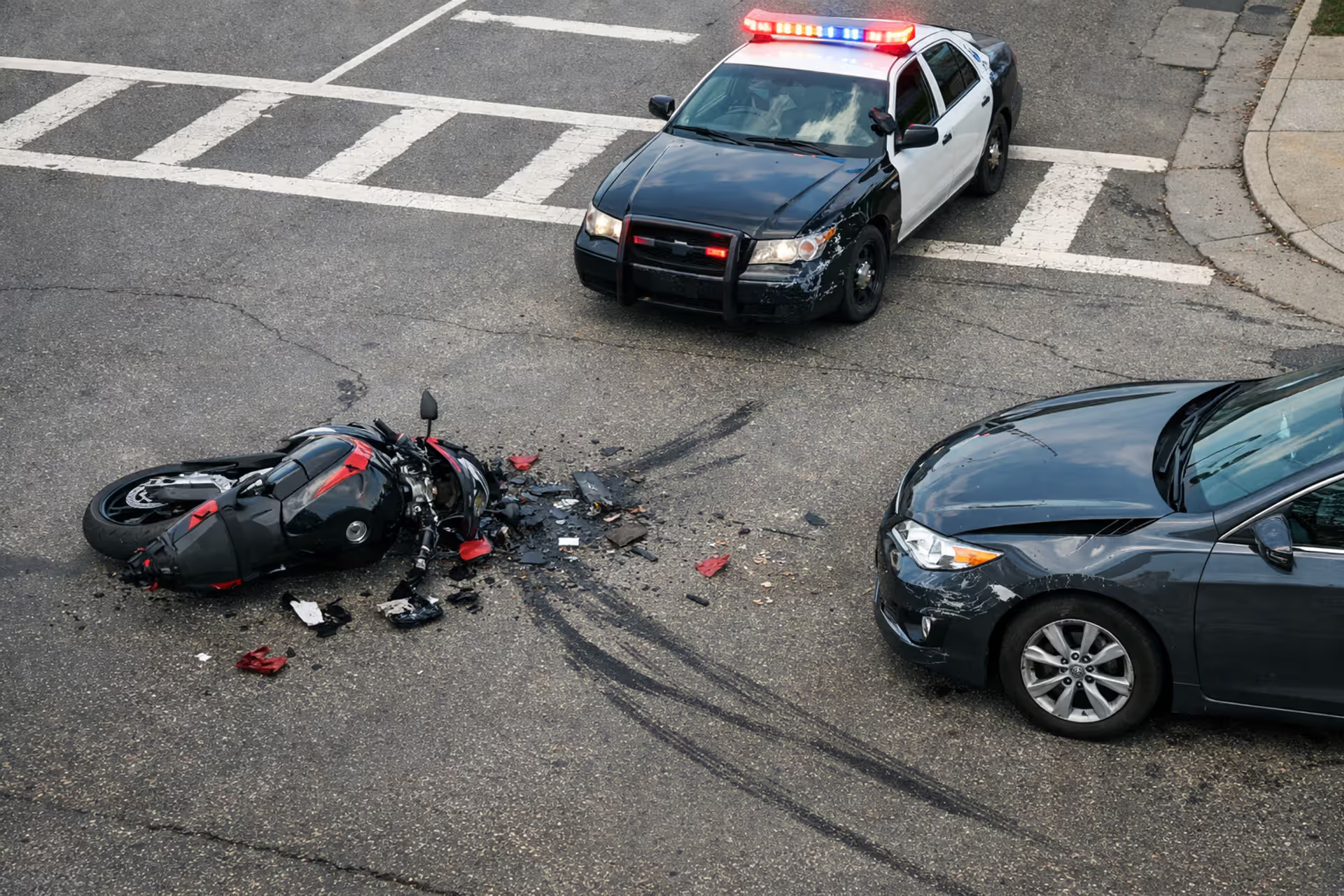
Photos matter enormously. Scene images, vehicle damage, weather conditions, skid patterns, debris scatter—adjusters examine all of it. They're matching your bike's damage to the other vehicle's to verify impact dynamics. If you claim a head-on collision but damage appears on your rear quarter panel, they'll want explanations.
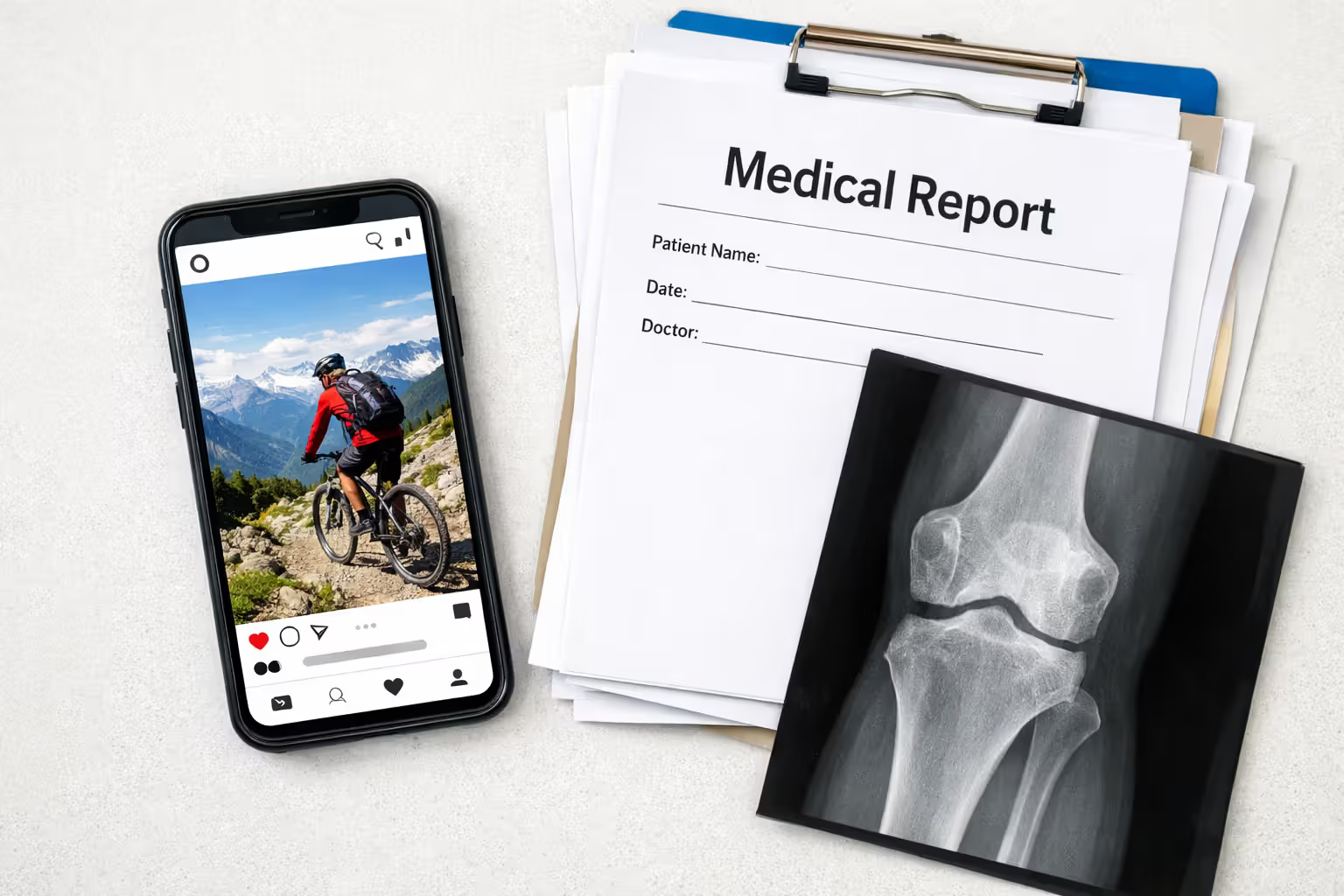
Medical documentation comes under microscope scrutiny. Emergency department notes, paramedic reports, x-rays, MRIs, treatment plans, prescription records—everything gets reviewed. Adjusters check whether your injuries match the type of crash you described, whether you had pre-existing problems, and whether treatment seems appropriate. Waiting two weeks before seeing a doctor after claiming immediate severe pain creates causation headaches.
Digital footprints increasingly drive investigations. Phone records might show whether you were texting when you crashed. Helmet cam footage, dashcam video from nearby cars, and traffic surveillance cameras provide objective truth that beats conflicting testimonies. Social media posts showing you hiking while claiming total disability will absolutely torpedo your credibility.
Timeline for Investigation Completion
Straightforward claims close fast—sometimes within a month. The adjuster confirms facts, verifies coverage, and processes payment once you've finished medical treatment or accepted their settlement offer.
Complicated cases drag on considerably longer. When both sides point fingers, investigations frequently run 60-90 days while adjusters interview witnesses, commission reconstruction analyses, and calculate comparative fault percentages. Serious injury claims often stay open indefinitely because fair settlement requires knowing your complete recovery picture—impossible while you're still receiving treatment.
Special circumstances stretch timelines dramatically. Suspected fraud kicks files to Special Investigation Units, adding months of delay. Missing witnesses, lost documentation, or active criminal proceedings all slow things down. Some states impose decision deadlines, but these typically govern coverage determinations rather than final settlement figures.
Key Evidence Investigators Look for After a Motorcycle Crash
Smart riders preserve the right evidence from day one. Investigators don't treat all information equally—they hunt for specific elements that establish fault, verify damages, and test whether your account aligns with physical reality.
| Evidence Type | What Investigators Assess |
| Police Reports | How officers assigned fault, traffic citations written at the scene, witness accounts documented immediately, sobriety testing outcomes, weather and road condition notes |
| Physical Bike Damage | Whether impact points support your narrative, damage severity matching claimed speed and force, distinguishing accident damage from pre-existing wear |
| Medical Records | Injury patterns typical of motorcycle crashes, immediate treatment-seeking behavior, diagnoses aligning with accident mechanics, documentation of prior medical conditions |
| Witness Statements | Third-party accounts from disinterested observers, agreement across multiple witnesses, witness credibility based on viewing position, contradictions with rider claims |
| Scene Documentation | Skid evidence indicating speed and braking effort, debris distribution showing collision location, pavement defects or hazards, visibility and weather factors, traffic signals and signage |
| Digital/Electronic Data | Cell phone usage during crash time window, GPS tracking establishing speed and route, video footage from helmets or dashcams, vehicle computer data from other parties, social media contradicting injury severity |
The insurance investigation motorcycle accident claim guide emphasizes cross-checking evidence sources. You might say you traveled at 30 mph, but skid analysis indicates 50 mph. Medical records could show you delayed treatment three weeks, contradicting claims of immediate debilitating pain. These mismatches don't always signal dishonesty—trauma affects memory, people postpone medical visits for various reasons—but they definitely trigger deeper digging.
Objective evidence trumps subjective claims every time. A witness saying "that bike looked really fast" carries minimal weight compared to video footage showing actual speed. Your pain descriptions matter less than imaging results revealing specific tissue damage.
Who Investigates Motorcycle Accident Claims and Their Roles
Your claim might cross several desks before closing. Each investigator brings different expertise and priorities. Knowing who you're talking to clarifies their questions and concerns.
Insurance Adjusters
Staff adjusters work as insurance company employees, handling claims from initial filing through final resolution or denial. They're generalists managing anywhere from 40 to 150 files simultaneously, depending on case complexity. Their job balances protecting company finances with fulfilling legal obligations to policyholders.
These adjusters can request recorded statements, demand independent medical exams, hire expert consultants, and extend settlement offers within prescribed limits. They receive training in negotiation tactics, damage assessment, and inconsistency detection. Though they represent insurers' interests, most prefer settling legitimate claims efficiently—litigation drains resources and time.
Independent adjusters work as contractors brought in during peak periods or when specialized knowledge is required. They function similarly to staff adjusters but serve multiple insurance carriers. Their recommendations influence decisions, though ultimate settlement authority remains with the hiring insurer.
Independent Accident Reconstructionists
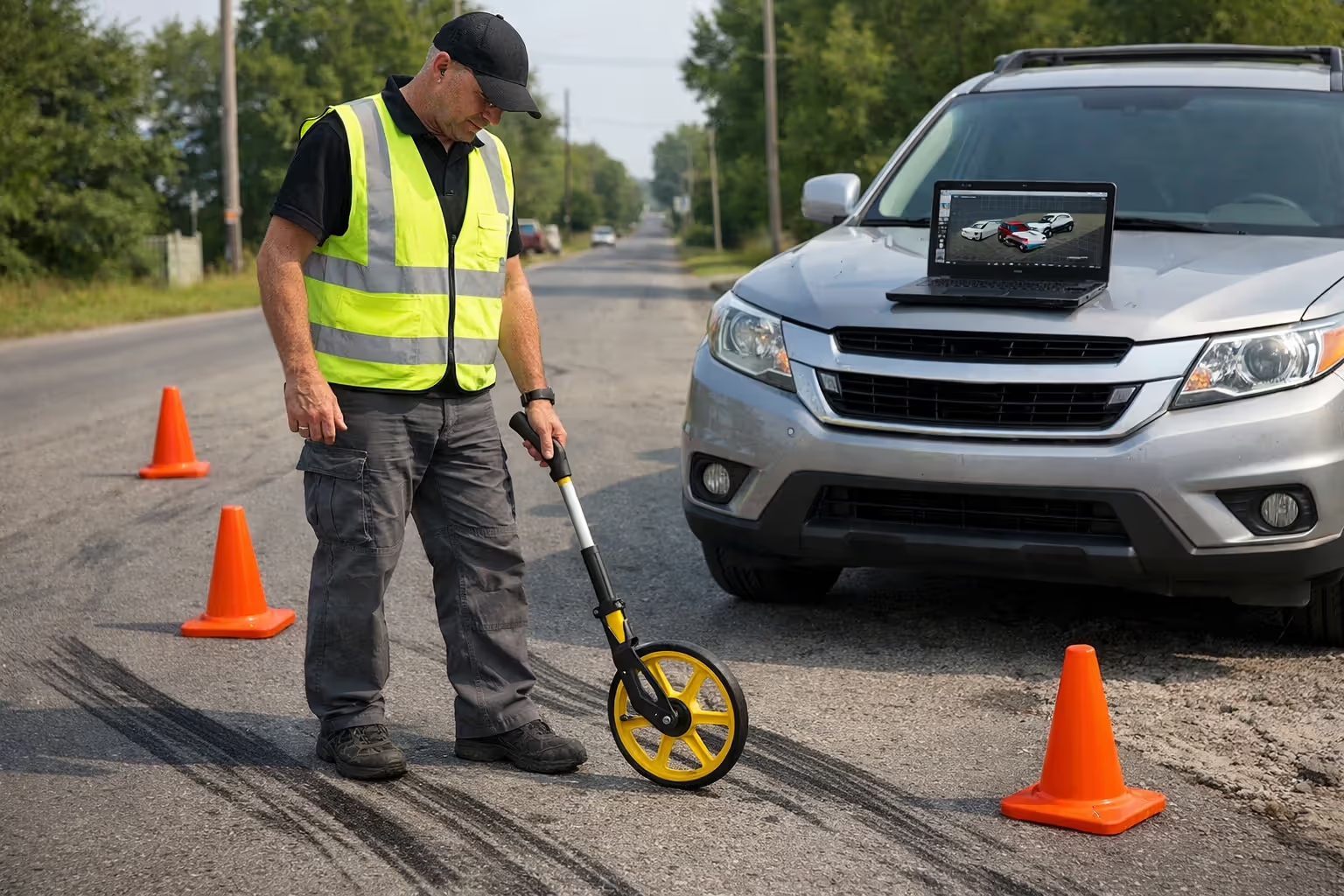
Disputed liability or unclear crash mechanics prompt insurers to hire reconstruction experts. These specialists—typically former police investigators or engineers—analyze physical evidence to determine exactly how collisions occurred.
Reconstructionists study skid patterns, calculate speeds from damage severity, run computer simulations testing different scenarios, and render professional opinions about fault. They sometimes visit accident scenes weeks afterward, measuring sight lines, road angles, and intersection geometry.
Their conclusions carry substantial weight because courts accept them as expert testimony. When a reconstructionist determines you were speeding or violated another driver's right-of-way, that opinion seriously undermines your position. Conversely, reconstruction proving the other driver caused the crash significantly strengthens your leverage.
Author: Ryan Whitlock;
Source: spy-delhi.com
Special Investigation Units (SIU)
SIU teams pursue suspected fraud cases. Not every claim lands here—only those displaying specific warning signs. These units employ former law enforcement, forensic accountants, and surveillance operatives.
SIU involvement signals the insurer suspects something beyond routine negligence. Common triggers include staged accidents, inflated injury claims, dishonest accident descriptions, or patterns suggesting organized fraud operations. Once SIU opens an investigation, anticipate recorded interrogations, background investigations, physical surveillance, and exhaustive financial analysis.
Confirmed fraud brings consequences beyond denial. Insurers might cancel your entire policy, notify law enforcement agencies, and report findings to industry databases that make obtaining future coverage nearly impossible.
Common Mistakes That Trigger Deeper Investigation or Claim Denial
Minor errors can transform routine processing into contested warfare. Some mistakes reflect innocent confusion; others suggest intentional deception. Either way, they complicate your outcome.
Inconsistent storytelling causes maximum damage. You tell one adjuster you headed eastbound, but the police report says westbound. Initially you report no injuries, then suddenly describe severe pain. Adjusters recognize that trauma clouds recollection, but major contradictions cast doubt on your entire version.
Postponing medical attention without justification creates causation nightmares. Waiting two weeks to visit a doctor despite claiming immediate excruciating pain makes insurers question whether the accident actually caused your injuries or whether something else occurred during that gap. Emergency treatment within hours establishes clear causation; multi-week delays invite skepticism.
Exaggerating damages or injuries backfires spectacularly. Claiming total work disability while posting gym workout videos, or inflating repair costs beyond what photos substantiate, obliterates credibility. Adjusters might have settled a reasonable claim quickly, but catching you in lies makes them fight every dollar.
The worst thing riders do is speculate instead of sticking to what they actually observed.Telling adjusters 'I think the driver was texting' when you never saw their phone gives insurers ammunition to paint you as unreliable. Stick to describing what you personally saw, heard, and did—nothing beyond that
— Michael Torres
Destroying evidence hurts your position badly. Repairing your motorcycle before adjusters inspect it, throwing away damaged riding gear, or losing witness contact details makes proving your version harder. Insurers view missing evidence suspiciously, assuming it would have contradicted your story.
Social media posting during active investigations remains shockingly common and remarkably stupid. Adjusters routinely monitor Facebook, Instagram, TikTok, and other platforms. Photos showing you riding dirt bikes while claiming permanent disability, or checking in at nightclubs when you should be attending medical appointments, give them powerful denial ammunition.
Refusing reasonable investigation cooperation suggests you're concealing something. While you shouldn't provide unlimited recorded statements or sign blanket authorizations, complete refusal to share basic information violates policy terms and justifies denial.
Author: Ryan Whitlock;
Source: spy-delhi.com
Step-by-Step: The Motorcycle Claim Investigation Process
Knowing the typical sequence helps you anticipate next steps and prepare appropriately. Not every claim follows this exact progression, but most hit these major checkpoints.
Step 1: Initial Report and Assignment. You contact the insurance company, sharing essential facts: when and where the accident occurred, who was involved, and preliminary damage observations. The insurer creates a claim file and assigns an adjuster, typically within one business day.
Step 2: First Contact and Preliminary Statement. Your adjuster reaches out within 24-72 hours, requesting a recorded or written statement. They'll ask about accident sequence, weather, your injuries, and whether you've communicated with other parties. This statement becomes permanent record, so accuracy beats speed.
Step 3: Documentation Request. The adjuster formally requests supporting materials: police reports, medical record authorizations, repair estimates, photos, and witness details. Most companies impose deadlines, usually 15-30 days. Missing these cutoffs can stall your claim for weeks.
Step 4: Independent Evidence Gathering. While you compile documents, the adjuster conducts parallel investigation. They'll obtain police reports directly, contact witnesses independently, photograph accident scenes if needed, and request medical records from your healthcare providers. They may physically inspect your motorcycle at repair shops or salvage yards.
Step 5: Liability Determination. Based on compiled evidence, the adjuster assigns fault. Clear-cut cases resolve quickly. Disputed situations may require reconstruction analysis, legal review, or negotiation between insurers when multiple parties share responsibility. Comparative negligence states assign fault percentages directly affecting settlement amounts.
Step 6: Damage Evaluation. For property damage, adjusters review repair quotes or total loss valuations. For injuries, they analyze medical records, treatment expenses, wage losses, and future care requirements. They'll compare your treatment against standard protocols for similar injuries, questioning anything appearing excessive or unrelated.
Step 7: Settlement Negotiation. Once liability and damages are determined, the adjuster extends an initial settlement proposal. First offers typically come in low—insurers expect back-and-forth negotiation. You can accept, reject, or counter. Multiple negotiation rounds are standard, particularly for significant injury claims.
Step 8: Resolution or Escalation. Reaching agreement means signing a release and receiving payment, usually within 30 days. Stalled negotiations might lead to mediation, arbitration, or lawsuits. Most claimants retain attorneys at this stage if they haven't already.
The motorcycle claim investigation process guide varies based on your state regulations, policy language, and whether you're filing first-party (your own insurer) or third-party (another driver's insurance) claims. Third-party claims frequently take longer because the other insurer has weaker incentive to settle promptly.
How to Prepare for and Respond to a Claim Investigation
Advance preparation dramatically improves your outcome. Investigators respect claimants who demonstrate organization, honesty, and reasonableness.
Documentation You Should Gather
Begin collecting evidence immediately post-accident, while memory remains fresh and witnesses stay available. Shoot extensive photos of the scene from every angle, capturing vehicle positions, pavement conditions, traffic control devices, skid marks, and scattered debris. Photograph all vehicle damage, visible injuries, and damaged protective gear.
Collect contact details from every witness, including passengers in other vehicles, pedestrians, and nearby business proprietors who might have security footage. Don't assume police captured everyone—officers frequently overlook peripheral witnesses.
Request police report copies as soon as available, typically 5-10 business days. Review carefully for errors. Reports containing factual mistakes—wrong travel direction, incorrect party details—can be amended by contacting the department. Opinions about fault prove harder to change, but factual corrections are achievable.
Create a detailed injury diary recording daily pain intensity, mobility restrictions, medication side effects, and practical life impacts. These real-time notes carry more credibility than trying to remember specifics months later during deposition. Include every medical appointment date, provider names, and treatments received.
Retain every medical invoice, prescription receipt, and health insurance explanation of benefits. Track mileage to appointments, over-the-counter medication purchases, and medical equipment costs. Document wage losses using pay stubs showing normal earnings versus time missed.
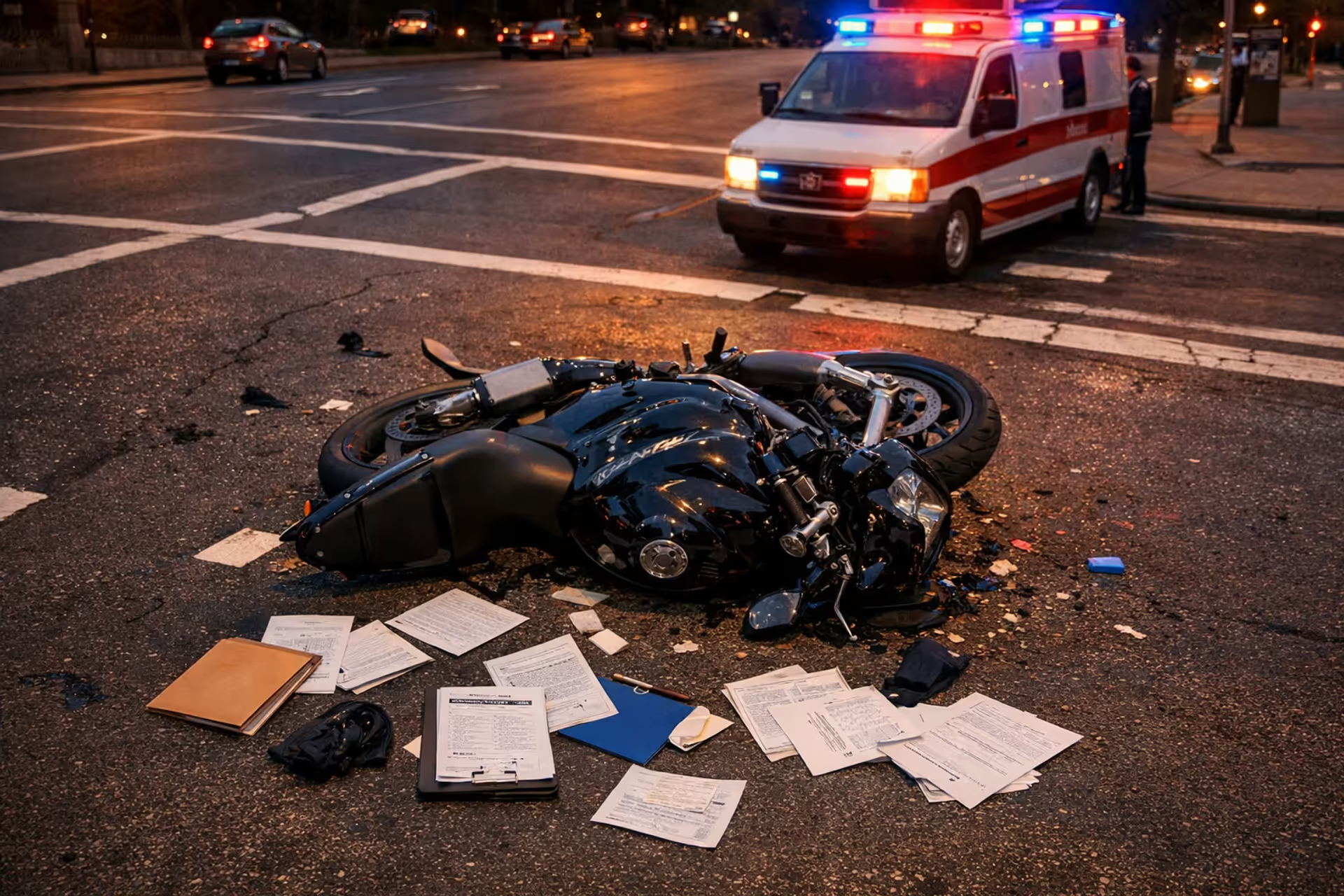
Keep all damaged property intact. Don't repair your motorcycle before adjuster inspection unless it creates genuine safety hazards or violates towing/storage regulations. Photograph damaged gear thoroughly before disposal. If you must discard evidence due to space or cost constraints, document it extensively first.

Author: Ryan Whitlock;
Source: spy-delhi.com
What to Say (and Not Say) to Investigators
When providing statements, limit yourself to facts you personally witnessed. Describe what you saw, heard, and did without guessing about others' intentions or mental states. "The car turned left across my path" states facts. "The driver wasn't paying attention" speculates unless you actually observed them looking elsewhere.
Answer questions directly without volunteering extra commentary. If asked about injuries, describe them. Don't launch into accident theories unless specifically requested. Adjusters receive training to let people talk—silences don't require filling.
Never accept fault, even partial responsibility, during initial statements. You might think you contributed somehow, but liability analysis involves complex legal standards. Let investigators and attorneys determine fault based on complete evidence. Saying "I probably should have been more careful" can be interpreted as accepting legal responsibility.
Resist giving multiple recorded statements to the same adjuster without clear justification. One comprehensive statement should suffice. If they request another interview, ask why and what new topics they need covered. Multiple statements create additional opportunities for minor inconsistencies that adjusters exploit.
Don't sign overly broad medical authorizations granting insurers access to your complete medical history. Provide records related to accident injuries, but protect unrelated health information. Insurers sometimes use pre-existing conditions to argue current injuries aren't accident-related.
Exercise caution during all phone conversations with adjusters. These aren't casual chats between friends—adjusters document everything, and offhand remarks become permanent file entries. When unsure how to answer something, say you need to verify records and will follow up. Guessing at details creates problems later.
Frequently Asked Questions About Motorcycle Accident Claim Investigations
Conclusion
Motorcycle accident claim investigations span the spectrum from quick reviews to exhaustive examinations depending on complexity, injury severity, and emerging concerns. Insurance companies protect financial interests by verifying your account matches physical evidence, confirming injuries stemmed from the accident, and ensuring you're not inflating damages.
Your strongest approach combines meticulous documentation, truthful communication, and avoiding common pitfalls that breed suspicion. Preserve evidence immediately after crashes, obtain prompt medical care, provide consistent factual statements, and cooperate with reasonable investigation requests. Understand that adjusters will scrutinize your claim thoroughly—that's literally their job—but legitimate claims backed by solid evidence generally result in fair settlements.
For serious injury claims or situations suggesting insurer bad faith, consult an experienced motorcycle accident attorney. Legal representation balances the scales against insurance company resources and helps you sidestep errors that could jeopardize your recovery. The accident claim investigation steps motorcycle guide may appear daunting initially, but understanding the process transforms it from mysterious bureaucracy into a navigable system where preparation and honesty produce optimal outcomes.
Related Stories

Read more
Read more



The content on this website is provided for general informational and educational purposes only. It is intended to offer insights and guidance on motorcycle accident insurance claims, settlement processes, liability issues, coverage limits, medical compensation, and related insurance matters, and should not be considered legal or financial advice.
All information, articles, and materials presented on this website are for general informational purposes only. Insurance policies, liability standards, settlement practices, and state regulations may vary by jurisdiction and insurer. The outcome of a motorcycle accident claim depends on the specific facts of the accident, available evidence, policy language, and applicable law.
This website is not responsible for any errors or omissions in the content, or for actions taken based on the information provided. Users are strongly encouraged to consult with a qualified attorney or licensed insurance professional regarding their specific motorcycle accident claim before making decisions about settlements, negotiations, or coverage disputes.