

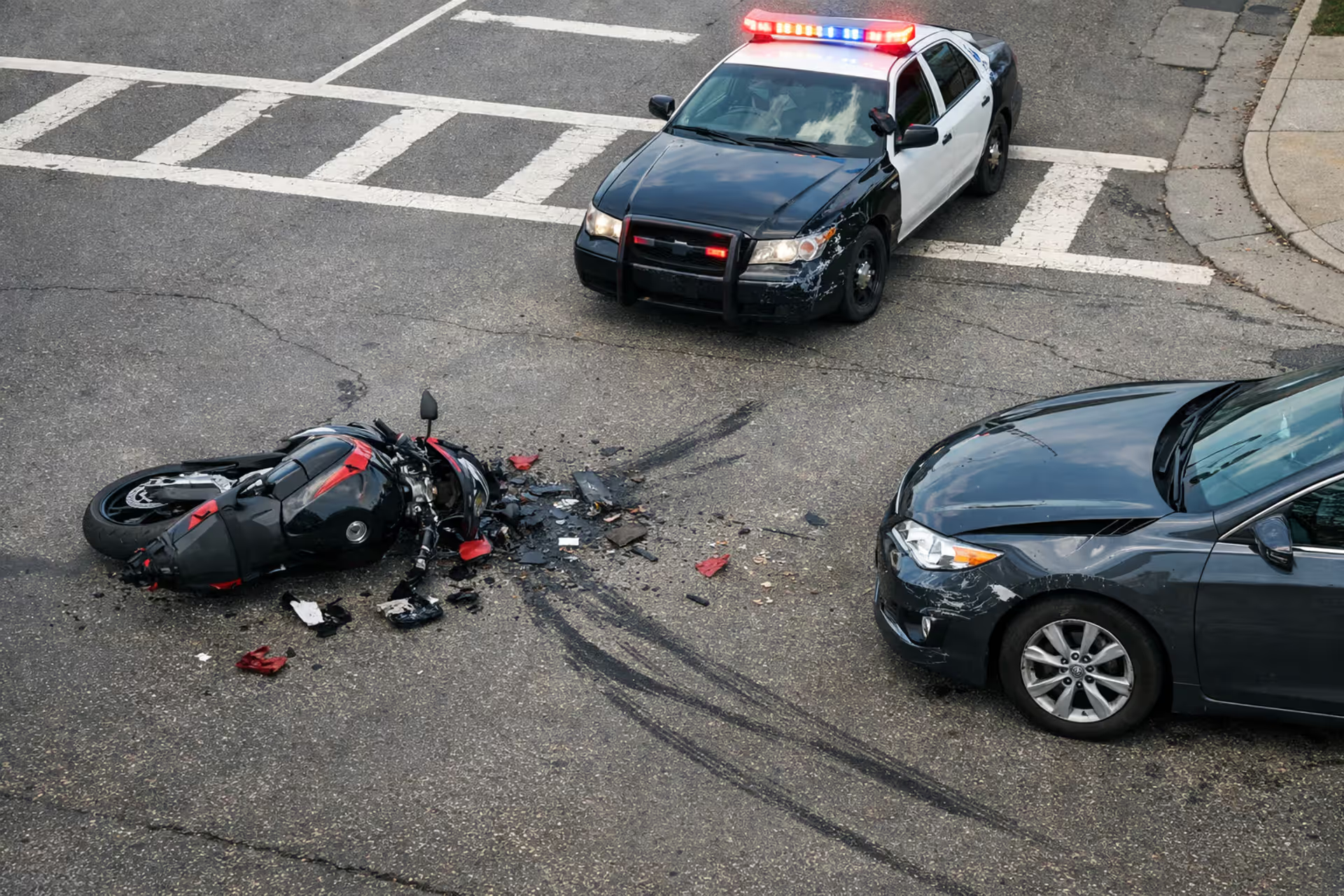
Damaged motorcycle and car at urban intersection with insurance claim documents on the hood
Motorcycle Accident Claim Timeline Guide for Every Stage of Your Case

Three weeks after someone turned left across your lane, you're still calling the same adjuster. She says she's waiting on witness statements. Last week, she needed medical records. Before that, she wanted repair estimates from certified shops only.
Your cousin's fender bender wrapped up in three weeks. Your coworker fought his claim for fourteen months. The difference? Not always what you'd expect.
Timeline predictability barely exists in motorcycle claims. But patterns emerge when you study enough cases. I've mapped out what actually happens from crash day through final payment, including the bottlenecks that drag simple claims into year-long ordeals.
How Long Does a Motorcycle Insurance Claim Actually Take?
Small crashes resolve fast. Bumper tap at a stop sign, scraped fairings, sore muscles for a week? Thirty to sixty days covers most of these. Pure property damage—bent forks, cracked engine case, no hospital visits—sometimes closes in two weeks if everyone cooperates.
Real injuries change everything. Expect six months minimum. More commonly, you're looking at ten to sixteen months. Fights over who caused the crash can stretch past twenty-four months.
Here's what determines your wait:
Injury type matters most. Doctors won't sign off on permanent settlement until they know whether you'll heal completely. Road rash and bruised ribs stabilize in six to ten weeks. Break your femur? Four months before the orthopedist confirms whether you'll limp forever. Traumatic brain injuries need twelve to eighteen months of monitoring before neurologists can document lasting cognitive damage.
Fault clarity accelerates everything. When the other driver ran a stop sign witnessed by four people, adjusters move quickly. When both sides claim green lights at an intersection? Prepare for forensic engineers analyzing skid marks and impact angles while months evaporate.
Your insurance company's culture determines whether adjusters respond in twenty-four hours or ghost you for weeks. I've watched identical claims—same injuries, same property damage—settle with one carrier in sixty days and drag fourteen months with another company despite identical circumstances.
Legal representation timing complicates predictions. Lawyers add two to four months to the process. They also increase settlements by forty to seventy percent on average. You decide: $16,000 in six weeks handling it yourself, or $29,000 in five months with an attorney managing the details?
Property-only claims fly through the system when nobody went to the emergency room. Add even a minor injury, and your timeline balloons with treatment duration.
The 7 Stages of Processing a Motorcycle Accident Claim
Initial Report and Documentation (Days 1-3)
Your policy probably requires notification within one to three days. Insurance companies love late reporting—gives them ammunition to question whether the accident really happened or whether subsequent damage came from something else.
Call your carrier immediately. Even from the hospital bed. They'll open a file, assign a claim number, and designate an adjuster. You need the police report, crash scene photos, witness names and phone numbers, plus signed medical authorization forms.
Critical mistake riders make constantly: minimizing symptoms during initial reports. That headache seems manageable today. Two weeks later, the CT scan reveals a concussion. Except you never mentioned head pain initially, so now the adjuster insists something else caused it.
Report every symptom immediately, even ones that feel minor. Neck stiffness, ringing ears, dizziness—document everything in that first call.
Investigation and Liability Assessment (Weeks 1-4)
Adjusters determine fault during this window. They pull police reports, call witnesses, examine your photos, study damage patterns on both vehicles. Most request recorded statements from everyone involved.
Third-party claims (filing against the other driver's insurance) turn this phase into a battlefield. That company owes you nothing. They're hunting for reasons to deny everything. Were you lane-splitting illegally? Is your endorsement current? Did aftermarket exhaust modifications violate noise ordinances? Are you on medications that impair riding?
Motorcyclists face automatic skepticism. Many adjusters assume we're all Daytona beach week refugees popping wheelies through school zones. Counter this prejudice with documentation: maintenance logs proving regular service, photos showing full-face helmet and armored jacket, your MSF completion card, clean driving record printouts.
Paperwork defeats prejudice every time.

Author: Olivia Bennett;
Source: spy-delhi.com
Medical Treatment and Evaluation Period (Ongoing)
This phase runs alongside everything else and frequently controls total claim length. You cannot settle until reaching maximum medical improvement—medical jargon meaning "as good as you're going to get, whether that's fully healed or permanently damaged."
Soft tissue injuries (road rash, muscle tears, bruising) typically stabilize in eight to fourteen weeks. Fractures need twelve to twenty weeks. Traumatic brain injuries, severe nerve damage, amputation? Twelve to twenty-four months before physicians can assess permanent life impact with confidence.
Adjusters push aggressive early settlements before true costs emerge. They'll offer amounts that sound decent—until you discover next year's reconstructive surgery that their settlement won't touch.
Never accept settlement during active treatment unless your lawyer confirms the offer accounts for all reasonably anticipated future medical expenses.
Demand Letter and Negotiation Phase (Weeks 4-12)
After doctors release you (or confirm permanent impairment), your attorney drafts a demand letter. This itemizes every dollar: ambulance bills, surgery costs, physical therapy, lost wages, motorcycle replacement, future treatment needs, reduced earning capacity, and compensation for pain and permanent limitations.
The insurance company counters low—usually forty to sixty-five percent of demand. Negotiations begin, cycling through rounds requiring one to four weeks each. You counter. They counter your counter. Evidence gets exchanged.
Skilled negotiators recognize when to push and when to compromise. General rule: if their offer covers one hundred percent of medical expenses and lost income plus reasonable pain and suffering compensation, consider it seriously. If they're barely touching your medical bills? Keep fighting or prepare for litigation.
Settlement Agreement or Litigation Decision (Weeks 8-16+)
Roughly ninety-five percent settle during negotiation. When they don't, you choose: accept their final number or file suit.
Litigation adds substantial time—six months to three years—but routinely increases settlement value dramatically. Once your attorney files the complaint, you enter discovery: everyone gives deposition testimony under oath, both sides answer written questions, expert witnesses explain your injuries and income loss projections. Most cases settle during discovery once both parties see evidence strength.
Actual trials remain rare. But trial threat pushes insurers toward better numbers. They're calculating potential jury verdicts versus settlement costs.

Author: Olivia Bennett;
Source: spy-delhi.com
Final Approval and Payment Processing (Weeks 12-20)
After accepting terms, you sign release paperwork promising no additional claims from this accident. The insurer processes payment—typically seven to thirty days depending on internal procedures.
Some carriers cut checks within a week. Others exploit the full thirty-day window state laws permit. Cases involving medical liens (your health insurance demanding reimbursement, Medicare seeking repayment for covered expenses) take longer while your attorney negotiates reductions and distributes funds.
Claim Closure and Documentation
You receive payment, liens get satisfied, the insurance company closes their file. Keep every document permanently—you'll need them if the IRS questions things (injury compensation isn't taxable, but property damage portions might be) or if disputes surface later about what got resolved.
Common Delays That Extend Your Motorcycle Claim Timeline
Liability disputes destroy timelines faster than anything else. When fault remains muddy or both parties share responsibility, insurers investigate exhaustively. They'll hunt down additional witnesses, hire accident reconstruction specialists, and exploit the process. Crashes involving out-of-state vehicles complicate matters since each state applies different negligence rules.
Incomplete medical records create maddening loops. The adjuster requests records. You sign authorization. Your doctor's office takes twenty days responding. Records arrive incomplete—progress notes came through but imaging reports didn't. Insurer requests missing pieces. Another twenty days pass. Stay aggressive. Call medical providers weekly confirming they've transmitted everything requested.
Multiple vehicles in crashes multiply complexity exponentially. Three-car collision means two separate insurance companies, coordinating distinct investigations, negotiating with different adjusters, calculating fault percentages for each driver. Every additional party adds weeks or months to resolution.
Intentional insurance company stalling tactics occur constantly. Adjusters who take five days returning voicemails. Repeated requests for documents you submitted twice already. Claims they're "still reviewing" that stretch four months without meaningful updates. These tactics bet on desperate claimants accepting inadequate offers to escape frustration. Document every contact attempt and escalate non-responsive adjusters to supervisors in writing.
Attorney hiring timing impacts overall duration. Engaging a lawyer immediately post-crash can streamline processes—they manage documentation, chase medical records, handle adjuster communications. Hiring one halfway through negotiations can reset the clock as insurers recalibrate strategy for dealing with representation.

Author: Olivia Bennett;
Source: spy-delhi.com
Uninsured or underinsured at-fault drivers create unique delays. When whoever hit you lacks sufficient coverage, you file against your own underinsured motorist policy. This triggers a completely separate investigation and negotiation with your insurance company—who now profits financially from minimizing what they pay you.
First-Party vs. Third-Party Claims: Timeline Differences Explained
First-party claims (filing with your own carrier) generally progress faster. Your insurer has contractual duties toward you. State regulators impose response requirements and deadlines. The relationship, while adversarial when money's involved, stays less combative than dealing with a stranger's insurance company. Medical payments coverage and collision coverage frequently pay within thirty to seventy days.
Third-party claims (filing against whoever caused the crash) drag significantly longer. That insurance company owes you zero contractual obligations. They profit from delay. They'll scrutinize every liability aspect, contest injury severity, and negotiate aggressively. Plan on ninety to one hundred fifty days for straightforward third-party cases, longer when complications develop.
No-fault states complicate the process substantially. Twelve states mandate you file first with your own insurer regardless of who caused the collision. Only after medical bills or injuries exceed a specific threshold can you pursue the at-fault driver. This two-stage process considerably extends timelines.
Comparative negligence impacts both claim duration and payment amount. If investigators conclude you bore fifteen percent responsibility for the crash, your settlement drops fifteen percent. Determining these fault percentages demands investigation and negotiation, stretching timelines. Several states completely prohibit recovery if you're fifty-one percent or more at fault, which raises stakes and lengthens investigations as both sides battle over percentage points.
What You Can Do to Speed Up Your Motorcycle Accident Claim

Author: Olivia Bennett;
Source: spy-delhi.com
Document obsessively from day one. Photograph injuries daily showing healing progression. Keep a journal describing pain levels and how injuries restrict daily activities. Preserve every receipt—medical copays, prescription costs, mileage to appointments, even over-the-counter ibuprofen. Organize physical files and digital backups for every accident-related document you receive.
Respond to adjuster requests within twenty-four hours. When they ask for documentation, send it immediately. Every delay on your end justifies delays on theirs. Establish systems: check email twice daily, return voicemails same-day, always confirm the adjuster received what you sent.
Select medical providers strategically. Some physicians take weeks completing reports or responding to record requests. Before choosing a doctor, ask about their experience with injury cases and typical turnaround for documentation. Chiropractors and physical therapists often respond faster than large hospital systems drowning in bureaucracy.
Avoid social media completely. Insurers monitor claimants' accounts religiously. That photograph of you smiling at your daughter's birthday becomes "evidence" you're exaggerating injuries. A gym check-in suggests you're not truly disabled. Deactivate accounts or maximize privacy settings until your claim closes.
Never provide recorded statements without preparation. Adjusters exploit these to trap you into contradictions or admissions that demolish your claim. If you've hired an attorney, let them handle it. If you're unrepresented, prepare thoroughly, stick to verifiable facts, decline to speculate about fault or injury severity.
Understand exactly when to hire a lawyer. For minor property-only claims under five thousand dollars, you probably don't need representation. For any injury claim, consultations cost nothing and provide valuable perspective. If medical bills exceed ten thousand dollars, injuries left permanent effects, fault gets contested, or the insurer denies your claim outright, hire representation immediately.
The biggest mistake I see riders make is settling within the first ninety days. Insurance adjusters know most people are desperate for money after an accident—they're off work, medical bills are piling up, and the bike needs replacing. They make a quick offer that seems reasonable until you realize your shoulder injury is permanent and you'll need surgery next year. I tell every client: if you haven't reached maximum medical improvement, you're not ready to settle. Period
— Michael Chen
When to Expect Payment After Your Claim Is Approved
State regulations typically mandate insurers issue payment within ten to thirty days after you've signed settlement documents. California allows thirty days. Florida mandates twenty. Texas requires five business days for liability payments, fifteen for first-party claims.
Payment method influences timing. Electronic transfers arrive in three to five business days. Physical checks take seven to fourteen days through mail. Some insurers still mail physical checks for settlements exceeding certain thresholds, adding transit time.
Partial settlements become possible when liability is crystal clear but injury damages remain uncertain. An insurer might pay property damage and confirmed medical expenses immediately while reserving final injury compensation until you've finished treatment. This puts immediate cash in your hands for repairs and current bills without forcing premature injury settlement.
Structured settlements for large claims involve annuities paying over time rather than lump sums. These take longer to establish—thirty to ninety days—because they require establishing trust accounts and purchasing annuity contracts. They offer tax advantages and guaranteed income but sacrifice flexibility if you need money urgently.
Attorney fees and medical liens must be resolved before you receive money. Your lawyer receives the settlement check, deducts their contingency fee (typically thirty-three to forty percent), pays outstanding medical liens, resolves health insurance subrogation claims, then forwards you the remainder. This process adds seven to twenty-one days to your timeline.
| Claim Category | Typical Duration | Main Factors Affecting Speed | Payment Window After Approval |
| Minor injury cases | 1-3 months | Straightforward fault, brief treatment, responsive insurer | 14-30 days after signing release |
| Severe injury cases | 6-18 months | Extended treatment, lasting impairment, future care requirements | 21-45 days after signing release |
| Property damage only | 2-6 weeks | Vehicle valuation disputes, no bodily harm | 7-14 days after signing release |
| Contested liability | 6-24 months | Extensive investigation, multiple parties, potential lawsuit | 30-60 days after signing release |
| Multi-party collisions | 4-18 months | Fault apportionment, multiple insurers, coordination complexity | 21-45 days after signing release |
Frequently Asked Questions About Motorcycle Claim Timelines
Understanding Your Timeline Means Protecting Your Recovery
Your motorcycle accident claim timeline depends entirely on your specific circumstances—injury severity, fault clarity, whether your insurance company cooperates, and whether you've hired legal representation. Straightforward property damage claims close in weeks. Complex injury claims demand patience measured in months or years.
Don't let insurance adjusters pressure you into premature settlement. They profit from your desperation and uncertainty. Understanding typical timelines helps you distinguish between legitimate delays (ongoing medical treatment) and manipulation tactics (requesting documents you already submitted repeatedly).
Document everything meticulously, respond promptly to reasonable requests, and escalate non-responsive adjusters or consult attorneys when your claim stalls without valid explanation. Most critically, prioritize complete medical recovery over claim speed. A few extra months of treatment before settling can mean the difference between compensation covering your actual losses and a settlement leaving you financially devastated by an accident you didn't cause.
Yes, waiting feels frustrating. But rushing through your claim costs far more than patience ever will.
Related Stories

Read more
Read more



The content on this website is provided for general informational and educational purposes only. It is intended to offer insights and guidance on motorcycle accident insurance claims, settlement processes, liability issues, coverage limits, medical compensation, and related insurance matters, and should not be considered legal or financial advice.
All information, articles, and materials presented on this website are for general informational purposes only. Insurance policies, liability standards, settlement practices, and state regulations may vary by jurisdiction and insurer. The outcome of a motorcycle accident claim depends on the specific facts of the accident, available evidence, policy language, and applicable law.
This website is not responsible for any errors or omissions in the content, or for actions taken based on the information provided. Users are strongly encouraged to consult with a qualified attorney or licensed insurance professional regarding their specific motorcycle accident claim before making decisions about settlements, negotiations, or coverage disputes.